
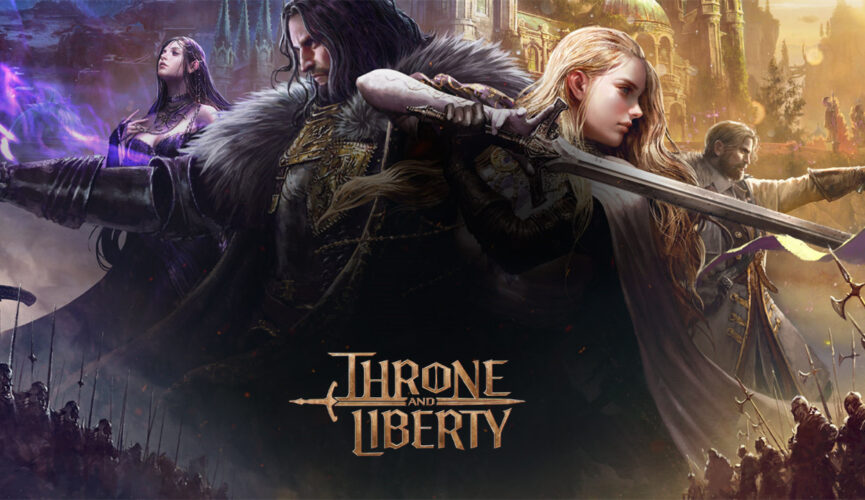
In the ever-evolving world of massively multiplayer online role-playing games (MMORPGs), the concept of server consolidation is often seen as both a solution to community fragmentation and a necessary step to ensure the longevity of a game. One of the most anticipated MMORPGs of 2025, Throne and Liberty, has garnered significant attention with its expansive open-world mechanics, immersive storylines, and deep player interaction. However, with any MMORPG, maintaining a healthy and vibrant player population on each server is crucial for the overall success of the game. This is where server consolidation comes into play.
As Throne and Liberty continues to grow in popularity, it’s inevitable that the game will face challenges with server populations fluctuating over time. To maintain balance, streamline gameplay experiences, and enhance community interactions, the game developers may introduce server consolidation as a way to ensure that players continue to have a dynamic and engaging environment. In this article, we’ll explore how server consolidation will work for Throne and Liberty Lucent, its potential benefits, and the challenges that might arise during the process.
What is Server Consolidation?
Server consolidation is a process in which multiple game servers are merged into a smaller number of servers. This is typically done when certain servers in an MMORPG experience population imbalances—either too many players on some servers or too few on others. The goal of server consolidation is to ensure that players are grouped in a way that maximizes population density on each server, encouraging active participation in the game world and improving the social experience.
In the case of Throne and Liberty, server consolidation could address issues related to low population servers, create more vibrant player-driven economies, improve queue times, and enable more dynamic gameplay interactions. However, it also presents challenges related to player migration, data storage, and even maintaining community cohesion after the merge.
Why Would Server Consolidation be Necessary for Throne and Liberty?
There are several reasons why server consolidation may become necessary for Throne and Liberty, most of which stem from the nature of MMORPGs and the dynamic player base they attract.
Population Imbalances: One of the most common reasons for server consolidation is the uneven distribution of players across different servers. Some servers may experience higher-than-expected player populations due to the region, time zone, or playstyle preferences, while others may have a much lower population. This imbalance can lead to negative player experiences, such as long wait times in queues, lack of available in-game resources, and fewer opportunities for group-based content.
Declining Player Numbers: MMORPGs often experience a player population spike at launch, followed by a gradual decline over time. As players leave or become less active, certain servers may see a drop in their population, rendering them unviable for engaging group content. Server consolidation can help keep the game’s world alive and ensure that players can continue to participate in content without worrying about the diminishing player pool.
Improving Gameplay Dynamics: By consolidating servers, Throne and Liberty can introduce more fluid and dynamic interactions between players. With more players per server, in-game events such as large-scale battles, world bosses, and faction wars can feel more epic and impactful. The game world becomes more engaging when there are more players to interact with, collaborate on quests, or compete against.
Reducing Queue Times: In popular MMORPGs, one of the most frustrating experiences is long server queue times, especially during peak hours. Server consolidation can help reduce the number of servers and, in turn, decrease queue times, allowing players to get into the game more quickly and easily.
How Will Server Consolidation Work in Throne and Liberty?
While the specifics of server consolidation for Throne and Liberty have not been officially detailed by the developers, we can make educated guesses based on the way server consolidation has been handled in similar games. Here’s an outline of what players can expect from the process:
Announcement and Communication: Before undertaking any server consolidations, the developers will likely announce the upcoming changes well in advance. These announcements will include which servers are affected, the timeline for the merge, and how the process will work. Communication is key to ensuring that players are informed about what to expect and can plan accordingly.
Choosing Which Servers Will Be Merged: Developers will use a variety of metrics to determine which servers need to be merged. These metrics could include current population numbers, geographical location, and player activity. Servers that have low active player counts, or those that have experienced declining populations over time, will likely be prioritized for consolidation.
Data Migration: One of the most critical aspects of server consolidation is transferring player data from the old servers to the new, merged servers. Player profiles, characters, guilds, and in-game progress will need to be transferred without loss of data. This process is typically done through a combination of automated and manual methods to ensure accuracy and minimize disruptions. Players may be given an opportunity to back up their data and choose how their character will be placed on the new server (i.e., whether they’ll be given a new home server or if they can retain their original server identity).
Balancing Server Populations: During consolidation, developers will likely implement tools to balance the population of the newly merged servers. This could involve ensuring that players from servers with significantly higher populations are distributed evenly to avoid overcrowding. Balancing might also apply to aspects like faction sizes or the distribution of resources to maintain competitive fairness across the server.
New Server Rules and Structure: After the consolidation process is completed, the developers may introduce new server-specific rules to facilitate smooth gameplay. This could include adjustments to world events, PvP or faction systems, and economy-related changes to ensure a balanced and enjoyable experience for all players involved.
Addressing Player Concerns and Feedback: The transition to a consolidated server environment is rarely a smooth, 100% positive experience for all players. Some players may lose friends or guilds due to the server changes, while others might experience conflicts related to the new server dynamics. Developers will need to provide support through customer service, forums, and in-game tools to address these issues and help players adapt to their new environments.
The Benefits of Server Consolidation in Throne and Liberty
More Active Gameplay: As mentioned, server consolidation will help create more active servers, which translates into more dynamic gameplay. Players will have an easier time finding groups for dungeons, world events, and raids, ensuring a more engaging experience overall.
Improved Economy: A larger population on a server often means a healthier in-game economy. With more players, there are more opportunities for trade, auction house activity, and crafting, leading to a more vibrant and sustainable economy.
Faster Queue Times: With fewer servers to manage, queue times will likely be reduced, allowing players to jump into the game more quickly and easily.
Stronger Community: Server consolidation can lead to more diverse and lively communities, as players from different servers come together. New rivalries, alliances, and social circles may form, making the game world feel even more immersive.
Challenges and Considerations
Despite the numerous benefits, server consolidation comes with its own set of challenges. Some players may not be happy with the merge, especially if it results in the loss of friendships or guilds tied to a specific server. The developers must carefully manage these transitions to minimize negative feedback and ensure that the game remains enjoyable for everyone.
Additionally, the data migration process must be flawless. Even minor glitches in transferring player data could lead to frustration and loss of progress, which would damage the trust between the developers and the player base.
Finally, there’s the issue of long-term server maintenance. Even after the consolidation process, developers will need to regularly monitor server populations to ensure that the newly merged servers continue to remain balanced and healthy over time.
Conclusion
Server consolidation is a vital tool for the developers of buy TL Lucent to ensure that the game’s world remains vibrant, active, and engaging. While it may present some challenges, the benefits of consolidation—such as a more active player base, better economy, and reduced queue times—will likely enhance the overall experience for Throne and Liberty players. As long as the developers effectively manage the process, communicate clearly with the community, and address player concerns, server consolidation could be a game-changing move that contributes to the MMORPG’s lasting success.